The Proprietary Blend Problem, Explained
PressureCalmX uses what's called a proprietary blend: a group of ingredients listed together under one combined weight — 620mg — rather than disclosed individually. This is legal under FDA labeling rules, and it's extremely common in the supplement industry, but it has a real practical consequence: you cannot tell from the label how much hawthorn versus how much juniper berry you're actually getting. A blend could theoretically be 500mg of one cheap ingredient and a few milligrams each of the rest. We have no way to confirm that isn't the case here, and neither does the brand's own marketing material address it directly.
What is individually disclosed: Vitamin B6 (294% of the Daily Value), Vitamin B12 (4,167% of the Daily Value), and Vitamin C (amount not specified in the marketing copy we reviewed).
The Eight Botanicals
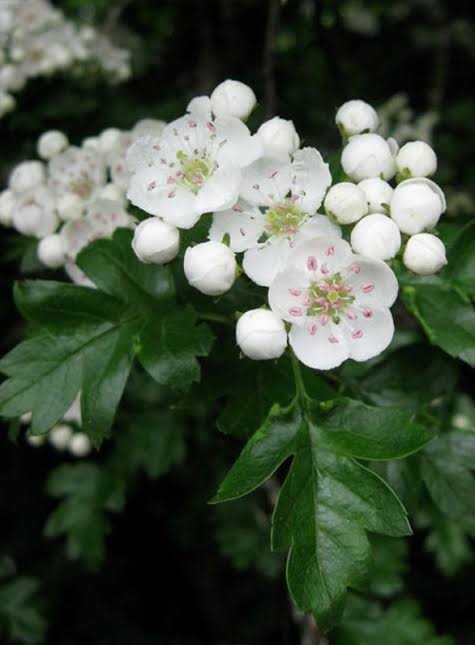
Hawthorn Leaf & Flower
Hawthorn is one of the more extensively studied botanicals for cardiovascular support, traditionally used in European herbal medicine and researched for its flavonoid content and effects on blood vessel function. It's a credible inclusion in a formula like this — though, again, we don't know its dose here.
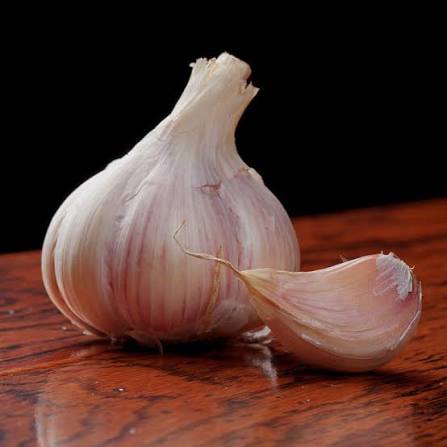
Garlic Bulb
Garlic is among the most-studied botanicals in nutrition science generally, with research examining sulfur compounds like allicin for cardiovascular and circulatory effects. It's also one of the few ingredients here with a well-documented caution: it may increase bleeding risk, particularly when combined with blood-thinning medication.
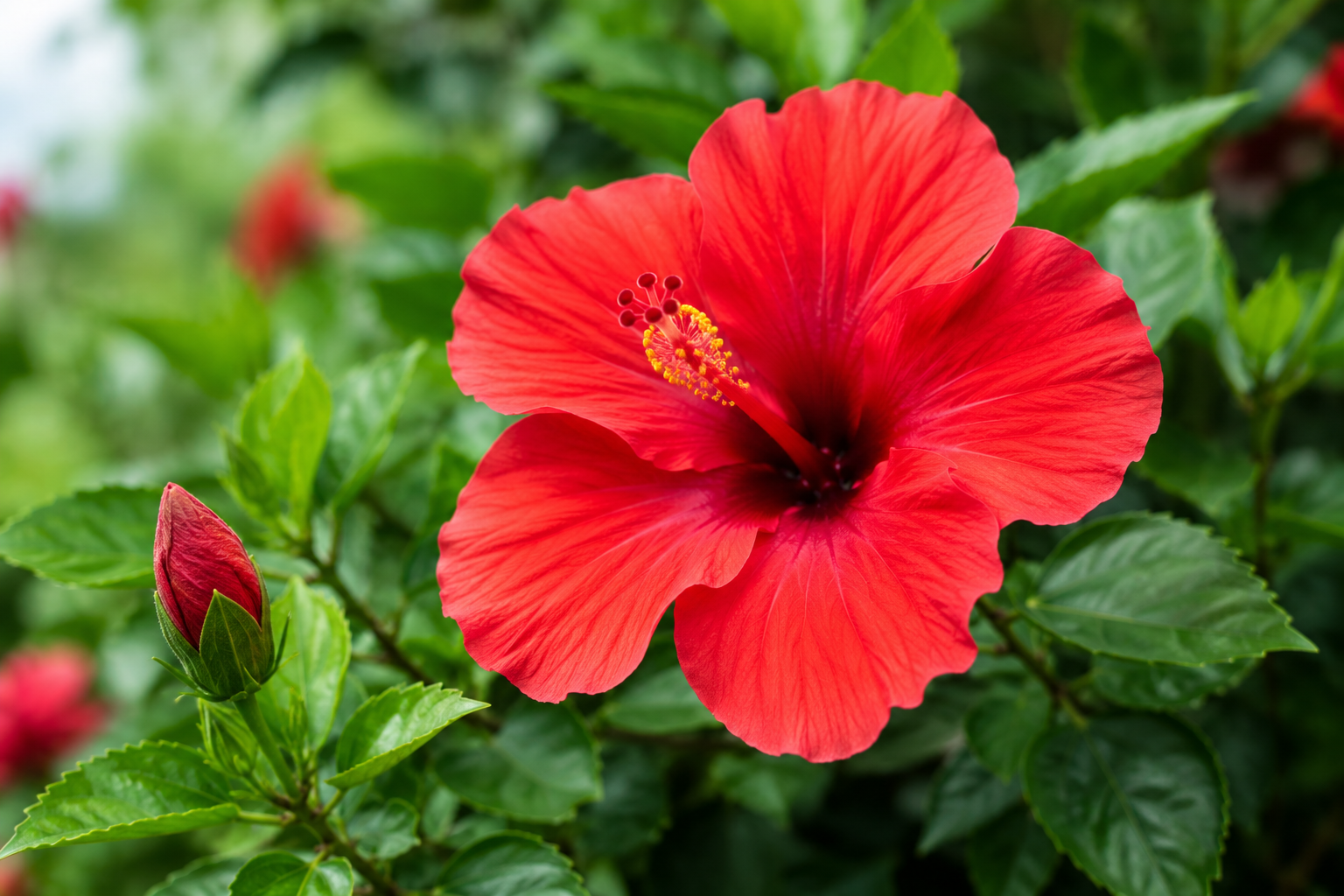
Hibiscus Flower
Hibiscus, often consumed as a tea or extract, has a reasonable body of general research behind it for cardiovascular markers. Notably, it's one of two botanicals (along with green tea) that the official PressureCalmX sales page names in passing but never gives its own dedicated ingredient description — a gap worth knowing about if you're trying to understand why it's in the formula.
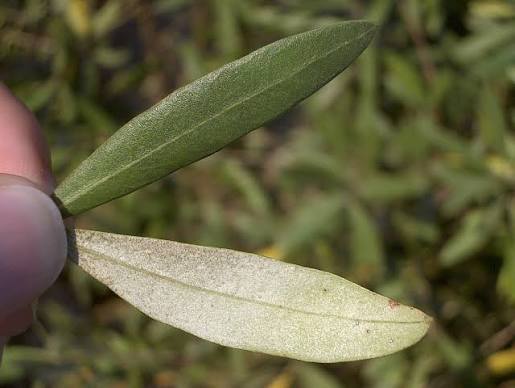
Olive Leaf
Olive leaf's key compound, oleuropein, is a polyphenol studied for antioxidant and circulatory properties. It's a reasonably well-supported ingredient choice among the eight.
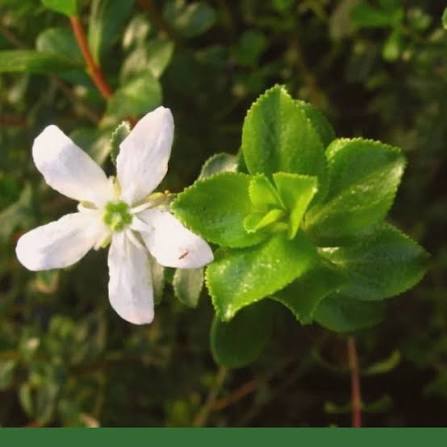
Buchu Leaf
Buchu is a traditional botanical with a much thinner modern research base, particularly for cardiovascular use specifically. The brand's own description leans on "traditional use" and "fluid balance" language rather than specific research citations.
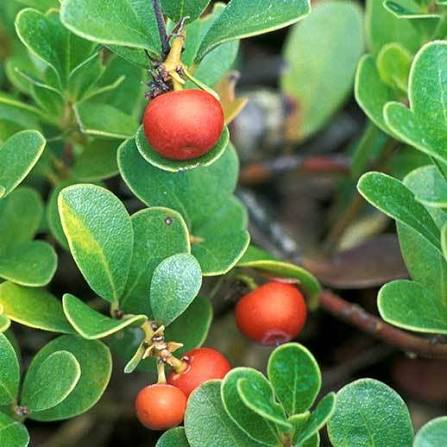
Uva Ursi Leaf
Uva ursi is traditionally associated with urinary tract support rather than cardiovascular health. Even PressureCalmX's own marketing copy is notably vague about its role here, describing it only as complementing "overall wellness" rather than attaching a specific blood-pressure or circulation claim — which suggests even the brand isn't confident making a specific case for it.
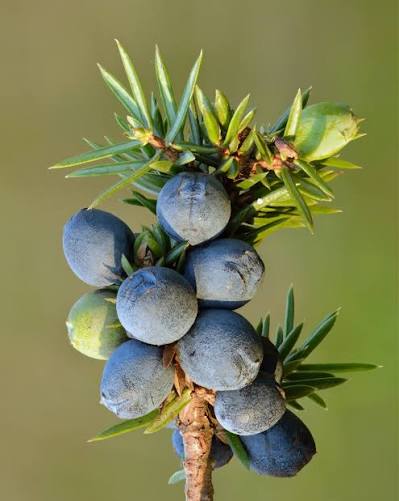
Juniper Berry
Juniper berry is included as an antioxidant source. Human clinical research on juniper specifically for blood pressure is limited.
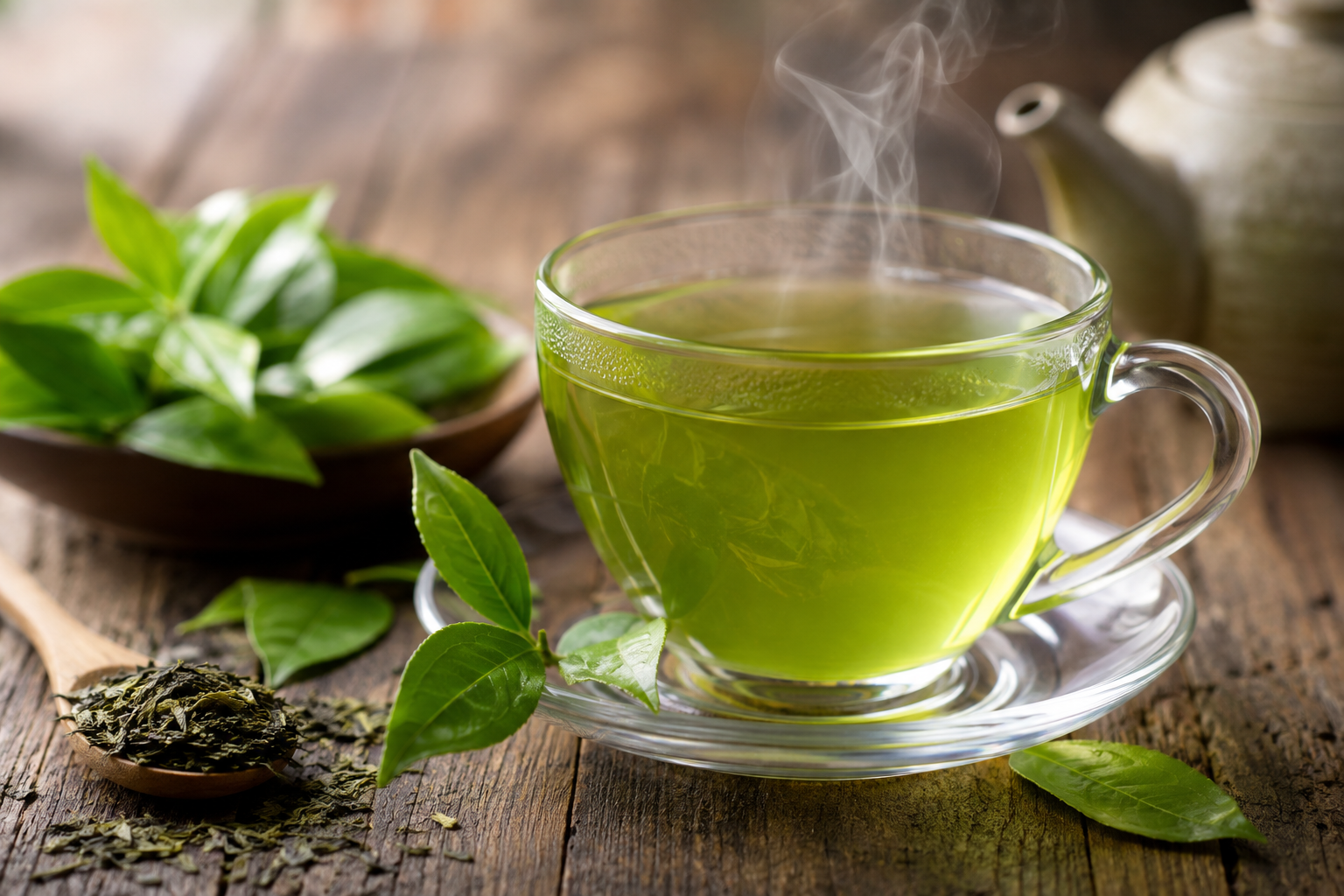
Green Tea
Green tea is genuinely well-researched generally, particularly for its catechin content. Like hibiscus, it doesn't get its own dedicated benefit card on the official sales page despite being one of the more evidence-backed ingredients on the list — an inconsistency in how thoroughly the brand explains its own formula.
Ingredient Research vs. This Product
It bears repeating because it's the single most important thing to understand about this formula: research on an ingredient in isolation — often at a specific, disclosed dose in a clinical study — is not the same as evidence that PressureCalmX, at whatever undisclosed amount it uses, produces the same effect. No published study has tested the finished PressureCalmX formula. For a deeper look at that distinction, see our research section on the main review.
Further reading: NIH NCCIH — Garlic · NIH NCCIH — Green Tea · PubMed — Hawthorn & Blood Pressure · NIH ODS — Vitamin B12
Curious how these ingredients might interact with medications you're already taking?
Read About Side Effects & Interactions